
The Importance of Self-Knowledge in Mindset Reprogramming with Affirmations

Understanding the Core of Self-Knowledge
In a world driven by rapid change and external expectations, the journey toward self-discovery has never been more essential. Self-knowledge serves as the foundation for effective mindset reprogramming, especially when utilizing affirmations. By understanding who we truly are, we can align our affirmations to resonate with our authentic self.
Why Self-Knowledge Matters
Self-knowledge enhances personal growth and emotional resilience. Here’s why it holds such a crucial place in reprogramming our mindset:
- Clarity of Goals: Awareness of personal values helps define realistic objectives. For instance, if someone values creativity, their aspirations might include pursuing a career in the arts or innovation-focused industries, where they can thrive and feel fulfilled.
- Increased Authenticity: Understanding our strengths and weaknesses promotes genuine self-expression. A person who recognizes their introverted nature might choose environments where they can excel without feeling pressured to conform to extroverted norms, like collaborative team settings or large social gatherings.
- Effective Affirmations: Tailoring affirmations based on self-knowledge makes them more impactful and meaningful. Instead of a generic affirmation like “I am confident,” adopting a personalized approach could look like “I embrace my unique creativity and feel confident sharing it with the world.”
When we engage in self-exploration, we uncover insights that empower us to reshape our beliefs. This introspective process not only fosters resilience but also equips us to challenge negative thought patterns. For example, an individual who recognizes a tendency toward perfectionism can actively work on replacing self-critical thoughts with more constructive affirmations, such as “I can accomplish great things, even if they aren’t perfect” to build a healthier self-image.
Furthermore, studies have shown that individuals who practice self-reflection and regularly engage in affirmations rooted in self-knowledge experience greater psychological well-being. Such practices can lead to increased motivation and overall life satisfaction. As people begin to acknowledge their genuine selves, they often find it easier to let go of society’s often unrealistic expectations, paving the way for a more fulfilling existence.
In this article, we delve deeper into the profound connection between self-knowledge and the transformative power of affirmations. By equipping ourselves with self-awareness and understanding, we open the door not only to personal growth but to a life led by authenticity and purpose.
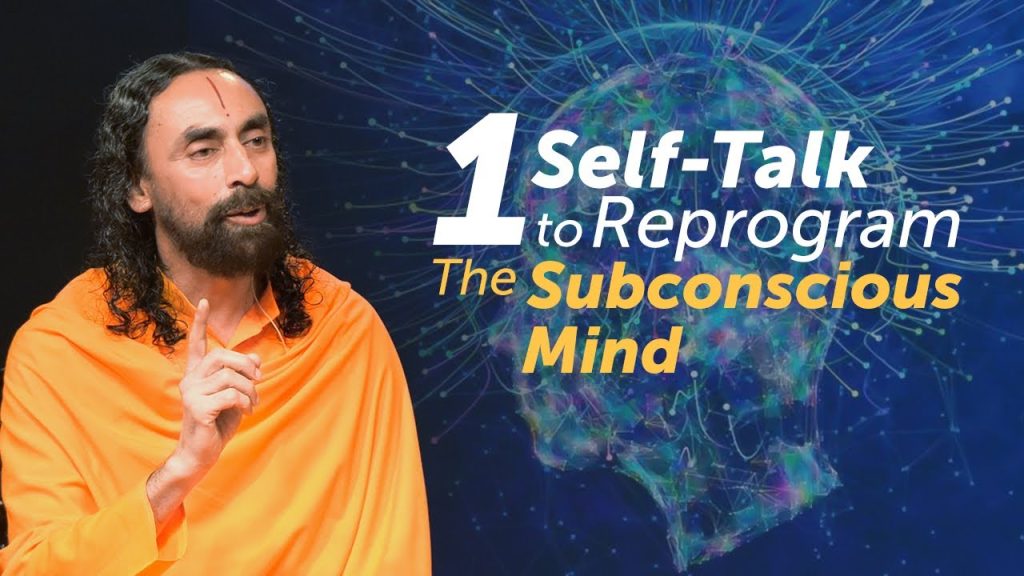
Unlocking the Power of Self-Knowledge
As we delve deeper into the importance of self-knowledge in the context of mindset reprogramming through affirmations, it becomes imperative to highlight the intricacies of our internal landscapes. Self-knowledge is more than just an awareness of our likes and dislikes; it encompasses an understanding of our motivations, fears, and core beliefs. By establishing this deep sense of self, we can better tailor our affirmations to reflect who we are at our core, ensuring that they resonate and foster true transformation.
Building a Strong Foundation for Change
Self-knowledge lays the groundwork for meaningful change by fostering a holistic view of ourselves. This level of understanding is particularly pertinent in stressful environments, such as the fast-paced life experienced in urban America, where the pressure to succeed can lead to an identity crisis. Here are some key components that illustrate why self-knowledge enhances our ability to reprogram negative mindsets:
- Identification of Limiting Beliefs: Gaining self-awareness helps individuals identify beliefs that have been ingrained since childhood. A person who grew up hearing that “money doesn’t grow on trees” may develop a scarcity mentality, affecting their confidence in pursuing entrepreneurial ventures. By recognizing these patterns, affirmations can be crafted to challenge them, such as “I attract abundance in my life effortlessly.”
- Cultivating Self-Compassion: Understanding our own vulnerabilities allows us to practice self-compassion. For instance, someone who realizes they are struggling with anxiety can use affirmations like “I give myself permission to feel and heal,” creating a nurturing internal dialogue that fosters resilience and acceptance.
- Alignment with Core Values: When self-knowledge encompasses our values, affirmations become powerful tools for reinforcing them. If an individual values family but has been prioritizing work excessively, affirmations like “I prioritize my loved ones and cultivate meaningful connections” can help realign their daily actions with their deepest values.
The journey of self-discovery is often intricate and spans a lifetime, encouraging a continuous loop of growth and reflection. Engaging with this process actively—through journaling, therapy, or meditation—can lead to significant breakthroughs. For example, many American professionals returning to school or making career shifts find the practice of self-reflection invaluable when crafting authentic affirmations that align with their new aspirations.
Research indicates that individuals who invest time in understanding themselves not only lead richer lives but also possess the mental fortitude to face challenges head-on. As we continue to explore the transformative nature of affirmations rooted in self-knowledge, we begin to unlock profound shifts that can resonate throughout various aspects of our lives, from personal relationships to professional endeavors.
Self-knowledge serves as the foundation for effective mindset reprogramming through affirmations. Understanding one’s strengths, weaknesses, desires, and fears enhances the power of affirmations by aligning them more closely with personal truths. When individuals engage in self-reflection, they can identify the areas in which they seek improvement, allowing affirmations to target specific goals and outcomes.For instance, someone who has a low self-esteem may benefit from affirmations centered around self-worth, such as: “I am deserving of love and respect.” Conversely, a person facing challenges with assertiveness may choose affirmations like: “I confidently express my needs and desires.” This tailored approach not only boosts the effectiveness of the affirmations but also fosters a deeper connection with oneself.Moreover, the act of writing and repeating affirmations encourages a regular practice of self-affirmation, reinforcing positive beliefs over time. The repeated exposure to affirming statements aids in reshaping neural pathways, ultimately contributing to a shift in mindset. The more individuals engage in this practice, the more they cultivate an internal dialogue that is constructive and empowering.Another interesting aspect of this relationship between self-knowledge and affirmations is the impact on emotional resilience. When individuals harness a strong understanding of their emotional triggers, they can use affirmations to navigate negative feelings and reactions. For example, when faced with stress or anxiety, affirmations such as “I remain calm and centered” can serve as powerful tools to ground oneself in challenging moments.Collectively, the intertwining of self-knowledge and affirmations not only enhances personal growth but also encourages a holistic approach to mental well-being. Engaging in this process allows individuals to embrace their journey authentically, building a more profound sense of self and fostering resilience in the face of life’s challenges. The empowerment stemming from self-knowledge is invaluable and paves the way for a remarkable transformation through the effective use of mindset reprogramming techniques. As you delve deeper into understanding how self-knowledge can enrich your affirmations, consider integrating practices such as journaling or meditation to further enhance your self-awareness. These activities can provide fresh insights, allowing your affirmations to evolve, reflecting your most current self and aspirations.
Harnessing Self-Knowledge for Lasting Transformation
As individuals embark on the journey of self-discovery, it becomes increasingly clear how integral self-knowledge is to the effectiveness of affirmations in mindset reprogramming. The linkage between self-awareness and the ability to create affirmations that resonate deeply is critical. By understanding our inherent strengths and weaknesses, we can craft affirmations that not only inspire but also challenge our perceived limitations.
Crafting Personalized Affirmations
When self-knowledge is at play, affirmations take on a personal touch, evolving into powerful declarations that resonate with our unique experiences. This aspect is particularly relevant for individuals in the United States, where diverse backgrounds and personal histories shape our outlook profoundly. The effectiveness of an affirmation hinges on its ability to connect with a person’s authentic self. Here are some insights on how self-awareness enhances the crafting of meaningful affirmations:
- Tailored Messaging: Acknowledging one’s personal story allows for the creation of affirmations that touch upon specific challenges. For instance, a woman who has battled with self-esteem may find strength in affirmations like “I embrace my unique beauty and value” rather than generic statements that lack personal significance.
- Encouraging Growth Mindset: Self-knowledge fosters a growth mindset. Understanding areas for improvement allows individuals to frame affirmations that positively reinforce their capacity for growth, such as “I learn and evolve with every experience.” This mindset is pivotal in environments where adaptability is key, such as rapidly changing workplaces in tech hubs across the U.S.
- Deepening Emotional Intelligence: The journey toward self-knowledge leads to improved emotional intelligence. By becoming attuned to our emotional triggers and reactions, we can use affirmations not only to inspire but also to cultivate emotional resilience. For example, someone recognizing their tendency to react defensively can affirm, “I respond to challenges with calm and clarity.”
The cultural fabric of the United States emphasizes individualism and personal achievement, necessitating that our affirmations reflect our personal journeys authentically. Those who engage in practices like mindfulness and reflection often find that their affirmations evolve as they uncover deeper insights about themselves. Research from various psychological frameworks suggests that the more genuine the affirmation, the more likely it is to influence our subconscious mind positively.
Incorporating feedback mechanisms also amplifies the impact of affirmations grounded in self-knowledge. This can be especially effective within supportive communities or peer groups, where individuals share their experiences and provide constructive feedback on their affirmations. By embracing varied perspectives, individuals can refine their affirmations to better serve their personal growth.
Moreover, the power of visualization as a complementary tool to affirmations cannot be overlooked. By envisioning the desired outcomes while reciting affirmations, individuals can activate both their conscious and subconscious minds, creating a compelling image of success. Observing the results of this practice can reinforce confidence, illustrating the shifts brought about by self-knowledge and intentional affirmations.
Ultimately, the ongoing quest for self-knowledge remains a cornerstone of effective mindset reprogramming through affirmations. The convergence of understanding who we are with the practice of positive self-talk paves the way for transformative experiences that can unlock new pathways for growth and fulfillment across all aspects of life.
Conclusion: Empowering Change Through Self-Knowledge
In conclusion, the journey towards effective mindset reprogramming through affirmations is inextricably linked to the profound concept of self-knowledge. As we have explored, understanding our true selves serves as the bedrock upon which personalized affirmations are built. When affirmations resonate with our unique experiences and challenges, they transform from mere words into powerful tools for transformation.
The ability to tailor affirmations to our personal narratives not only fosters a growth mindset but also enhances our emotional intelligence, equipping us with the resilience needed to navigate life’s complexities. As we cultivate awareness of our strengths and weaknesses, we empower ourselves to embrace change with confidence.
Moreover, the synergy between self-knowledge and affirmation practices extends beyond individual growth. Communities that encourage shared experiences and feedback allow for a richer exchange of insights, further refining our affirmations and amplifying their impact. As such, the collective journey of self-discovery becomes a shared mission, bolstering personal and communal transformation.
Ultimately, the quest for self-knowledge is not just a personal endeavor; it is a pathway to unlocking our full potential. By committing to this journey and integrating personalized affirmations into our daily lives, we can foster profound shifts that lead to fulfillment in both personal and professional spheres. For those eager to explore the depths of their own self-knowledge, the integration of affirmations offers a promising starting point. Embrace this journey, and watch as it unfolds into a powerful narrative of growth and empowerment.